
When Life Gives You Lemons Make Digestion Boosting Lemon Tea
Why Digestion Boosting Lemon Tea Belongs in Your Daily Routine
Digestion boosting lemon tea is one of the simplest, most affordable natural remedies for common gut complaints like bloating, nausea, and sluggish digestion.
Quick answer — the best digestion boosting lemon teas typically include:
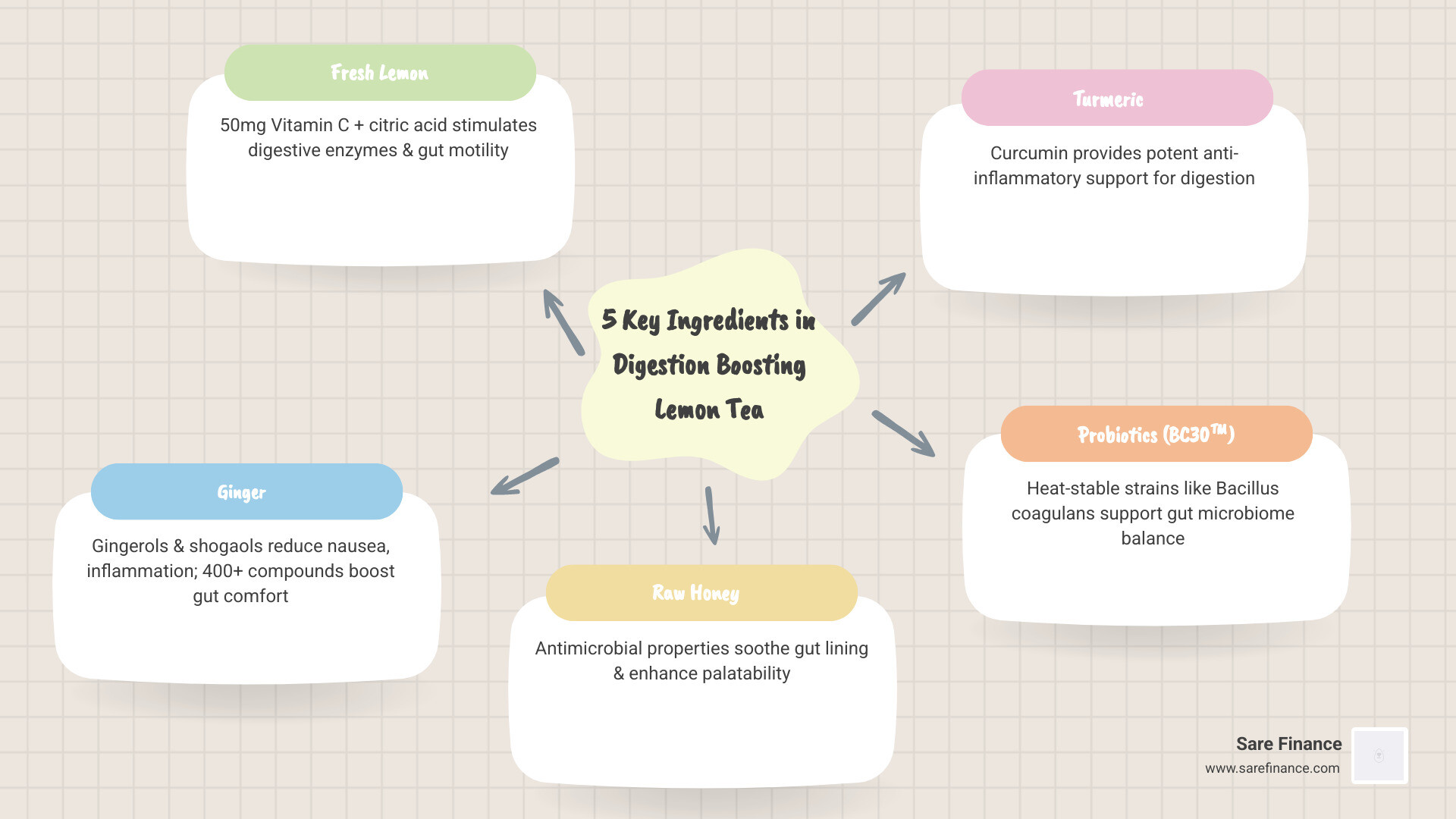
- Fresh lemon + ginger — the classic base; ginger targets nausea and inflammation, lemon stimulates digestive enzymes
- Lemon ginger + honey — adds antimicrobial benefits and makes the tea more palatable
- Lemon ginger + turmeric — adds curcumin for extra anti-inflammatory support
- Lemon ginger + probiotics (BC30™) — shelf-stable probiotic strains support the gut microbiome directly
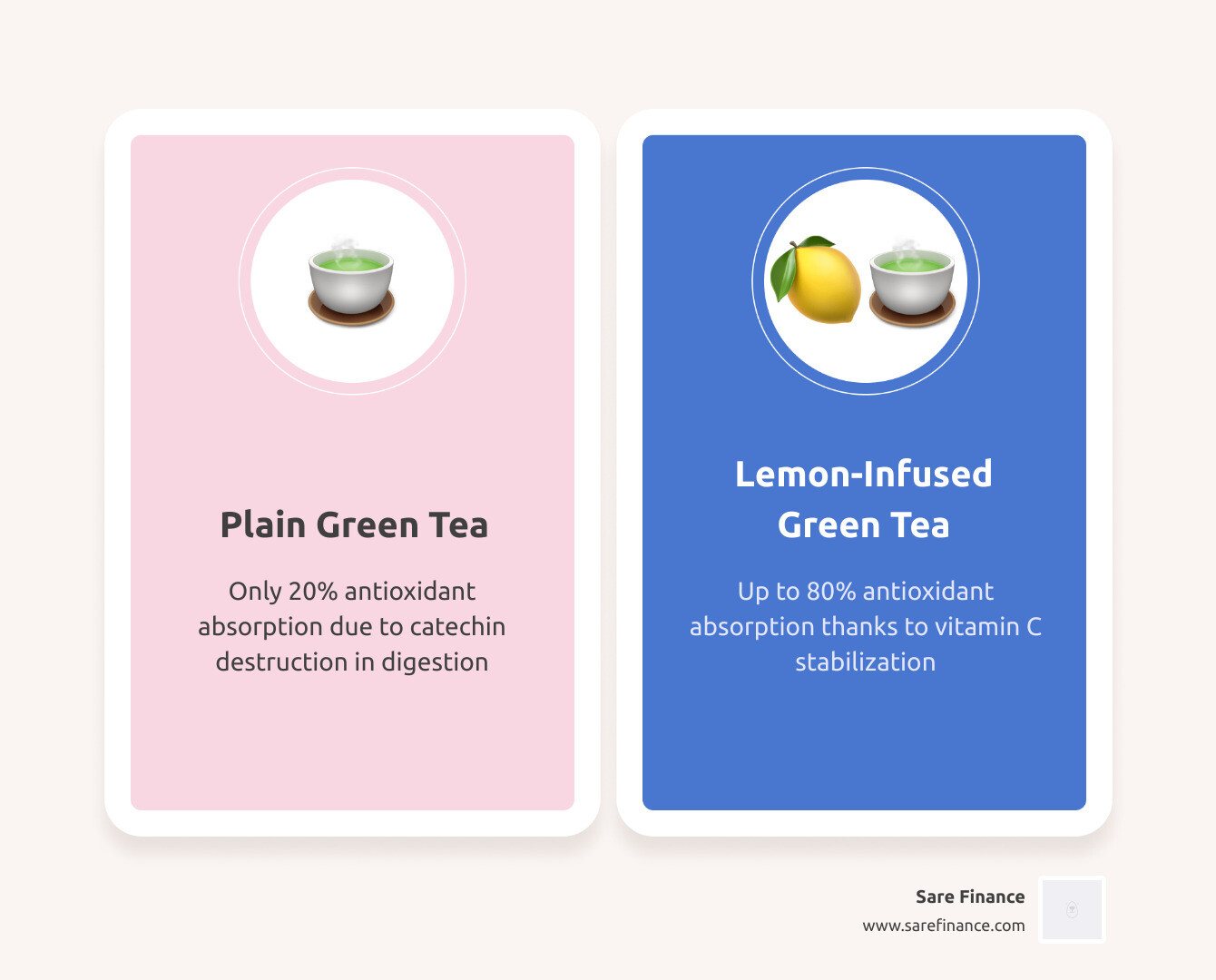
- Green tea + lemon — lemon stabilizes green tea’s antioxidants, making them more absorbable
People have been drinking lemon and ginger-based teas for thousands of years — ancient texts from India, China, and the Middle East all reference ginger’s medicinal properties. In Kenya, a similar blend is literally called Dowa, meaning “medicine” in Swahili.
Today, research backs what traditional cultures figured out long ago. Ginger contains over 400 natural compounds, and its active components — gingerols and shogaols — have measurable effects on gut motility, inflammation, and nausea. One lemon delivers over 50mg of vitamin C while also providing citric acid that activates digestive enzymes.
The best part? A cup costs next to nothing and takes under five minutes to make.
The Science Behind Digestion Boosting Lemon Tea
To understand why digestion boosting lemon tea works so effectively, we have to look at the chemistry of the ingredients. When we combine lemon and ginger, we aren’t just making a tasty drink; we are creating a biochemical catalyst for our gastrointestinal tract.
According to scientific research on lemon ginger tea benefits, ginger is a “prokinetic” agent. This means it helps the stomach empty more efficiently. The active compounds in ginger, specifically gingerols and shogaols, interact with receptors in the digestive tract to reduce inflammation and soothe the lining of the stomach. In fact, ginger contains over 400 natural compounds that work synergistically to reduce oxidative stress and improve overall comfort.
Lemon contributes through its high concentration of citric acid. When we consume citric acid, it signals our body to increase gastric acid secretion and activate digestive enzymes like protease (which breaks down proteins) and lipase (which breaks down fats).
One of the most fascinating scientific insights involves “catechin stabilization.” If you use green tea as your base, you should know that the human digestive system usually destroys about 80% of tea’s antioxidants (catechins) before they can reach the bloodstream. However, the vitamin C and acidity in lemon juice act as a stabilizer. Adding lemon can significantly increase the bioavailability of these antioxidants, ensuring your body actually absorbs the “good stuff.”
Key Ingredients for a Digestive Powerhouse
When we craft a digestion boosting lemon tea, we want to use ingredients that offer the highest nutrient density. As of April 2026, the focus in the wellness community has shifted toward “whole-food” infusions that maximize the 50mg of Vitamin C found in a single lemon.
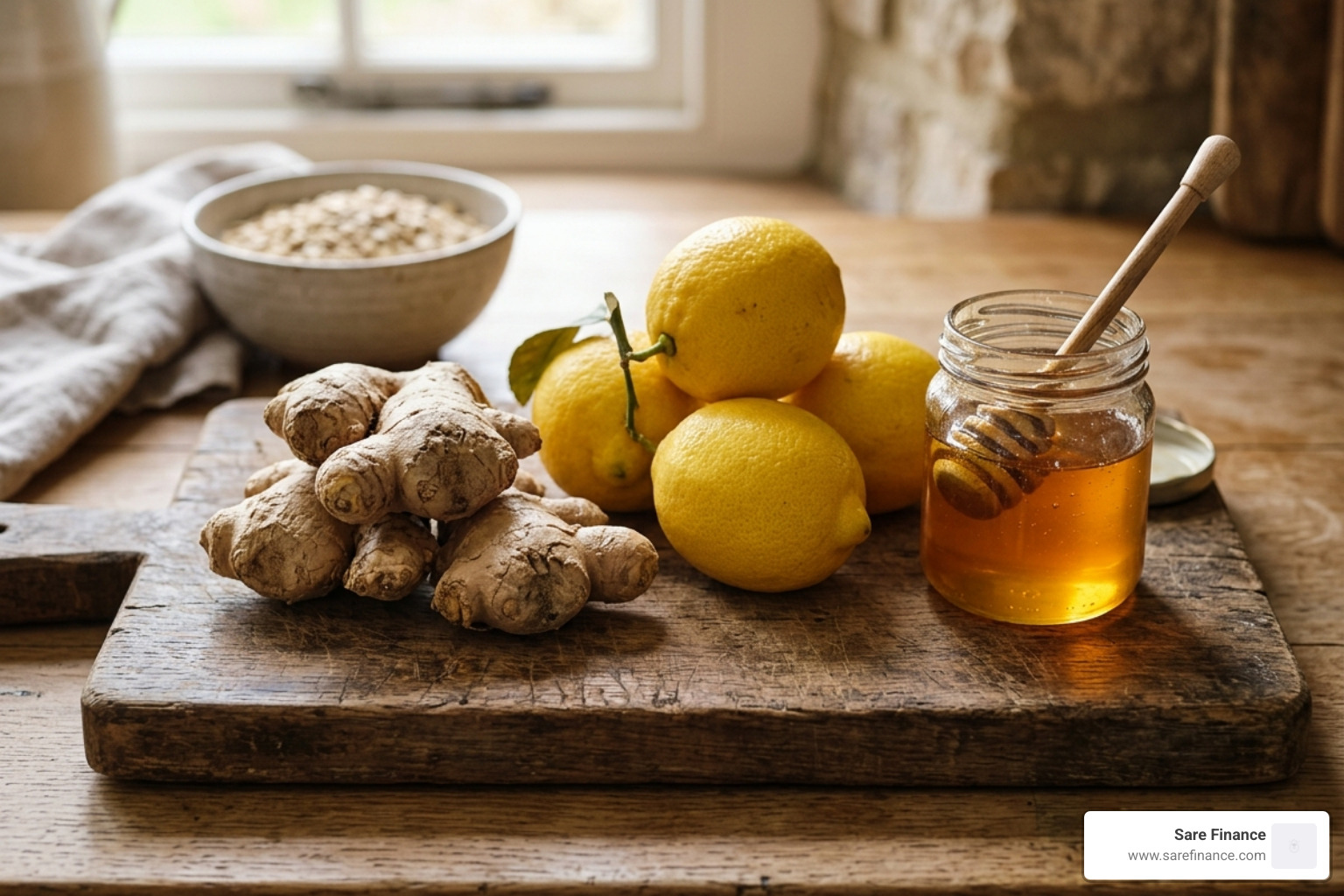
- Lemon: Beyond the juice, the zest contains limonene, a compound that helps keep food moving through the digestive tract. The pectin fiber in lemons also helps regulate metabolism and supports a healthy gut microbiome.
- Ginger: We recommend fresh ginger root over powdered versions whenever possible. It acts as a “warming spice,” drawing blood flow to the abdomen, which naturally assists the mechanical process of digestion.
- Raw Honey: A tablespoon of honey adds about 20 grams of sugar, but it also provides antimicrobial benefits that can soothe a sore throat or an upset stomach.
- Turmeric: Often added for its curcumin content, turmeric is a powerful anti-inflammatory that works perfectly with ginger to reduce gut “fire” or irritation.
- Apple Cider Vinegar (ACV): Adding a splash of raw, unfiltered ACV introduces acetic acid, which has been shown to improve insulin sensitivity and help the body break down heavy meals.
Optional Herbal Enhancers:
- Thyme: Great for respiratory support if you’re drinking tea for a cold.
- Cinnamon: Helps regulate blood sugar levels post-meal.
- Fresh Mint: Excellent for relaxing the muscles of the esophagus to relieve trapped gas.
Preparing Your Daily Brew
Preparation is key. If the water is too hot, you risk destroying the delicate vitamin C; if it’s too cool, you won’t extract the gingerols. We find that the “sweet spot” for water temperature is between 70-80°C (158-176°F).

Brewing Your Own Digestion Boosting Lemon Tea at Home
For a potent homemade brew, follow these steps:
- Prepare the Ginger: Peel and thinly slice about one cup of fresh ginger root.
- The Long Simmer: Bring 8 cups of water to a boil, add the ginger, and then reduce to a simmer for 20-25 minutes. This extended time is necessary to draw out the medicinal compounds.
- The Lemon Finish: Turn off the heat and add your lemon slices or juice. Let it sit for another 5 minutes.
- Strain and Sweeten: Strain the mixture into a mug and add honey to taste.
Pro-Tip: Ginger Ice Cubes. If you’re busy, blend ginger and peeled lemons with a little water, strain the mixture, and freeze it in ice cube trays. In the morning, simply drop two cubes into a mug of hot water for an instant digestion boosting lemon tea.
Enhancing Your Digestion Boosting Lemon Tea with Probiotics
In recent years, the tea industry has seen a rise in probiotic-infused blends. These often use the BC30™ (Bacillus coagulans) strain. Unlike many probiotics that die in hot water, BC30™ is heat-resistant and shelf-stable. Adding these to your lemon tea helps populate the gut with “good” bacteria, which is essential for long-term digestive health and regular bowel movements.
Selecting the Best Tea for Your Gut
If you aren’t making it from scratch, how do you choose a high-quality store-bought version? Not all lemon teas are created equal.
How to Choose a Premium Digestion Boosting Lemon Tea
When shopping for a digestion boosting lemon tea, look for these quality markers:
- Foil-Protected Packaging: Essential oils and antioxidants degrade when exposed to air and light. Individually wrapped foil pouches preserve the “pep” of the lemon.
- Ingredient Purity: Avoid “artificial lemon flavor.” Look for real lemon peel, lemon verbena, or lemongrass.
- Organic Sourcing: Since you are steeping the ingredients, you want to ensure no pesticides are leaching into your drink.
- Caffeine Levels: Green or black tea bases contain 25-70mg of caffeine. If you’re drinking this before bed for digestion, opt for a caffeine-free herbal blend.
A high-quality tea typically costs between 15-25 pence per serving—a small price for a daily “detox” ritual.
Safety, Side Effects, and Daily Limits
While digestion boosting lemon tea is generally recognized as safe by the FDA, there are a few precautions to keep in mind.
- Acid Reflux (GERD): The acidity of lemon can sometimes trigger heartburn or worsen GERD symptoms in sensitive individuals.
- Tooth Enamel: Acidic drinks can soften tooth enamel. We suggest using a straw or rinsing your mouth with plain water after drinking to protect your pearly whites.
- Medication Interactions: Ginger has mild blood-thinning properties. If you are on warfarin, aspirin, or medications for diabetes and high blood pressure, consult your doctor. Ginger can lower blood sugar and blood pressure, which might require dosage adjustments for your prescriptions.
- Pregnancy: While ginger is excellent for morning sickness, always check with a healthcare provider before using herbal remedies during pregnancy.
Daily Limit: We recommend a maximum of 3-5 cups per day for optimal hydration without overdoing the acidity.
Frequently Asked Questions about Lemon Tea
Does lemon tea help with bloating and gas?
Yes! By stimulating the production of enzymes like lipase and protease, digestion boosting lemon tea helps your body break down fats and proteins more efficiently. This prevents food from sitting in the gut and fermenting, which is the primary cause of gas and bloating.
When is the best time to drink lemon tea for digestion?
For the best results, drink it on an empty stomach about 20 minutes before breakfast. This “wakes up” the digestive system. Alternatively, a cup 30 minutes after a heavy meal can help stimulate motility and prevent that “sluggish” post-meal feeling.
Can I drink lemon ginger tea every day?
Absolutely. Consistency is what leads to long-term gut health improvements. Drinking it daily helps maintain a balanced pH in the body (as lemon has an alkalizing effect after metabolism) and keeps your immune system primed with a steady dose of Vitamin C.
Conclusion
At Sare Finance, we believe that the path to wellness doesn’t have to be complicated or expensive. Sometimes, the most powerful medicine is already in your kitchen. Whether you’re fighting off a seasonal cold or trying to soothe a stubborn bout of bloating, a warm cup of digestion boosting lemon tea is a gentle, effective way to support your body.
By making this simple “warming elixir” a part of your morning or post-meal routine, you’re investing in your long-term health, one sip at a time. For more tips on how to use nature’s pantry to improve your life, explore More info about tea remedies.
