
Steep Away the Swell: Natural Remedies for Bloating
Why So Many People Are Turning to Tea for Gas Bloating
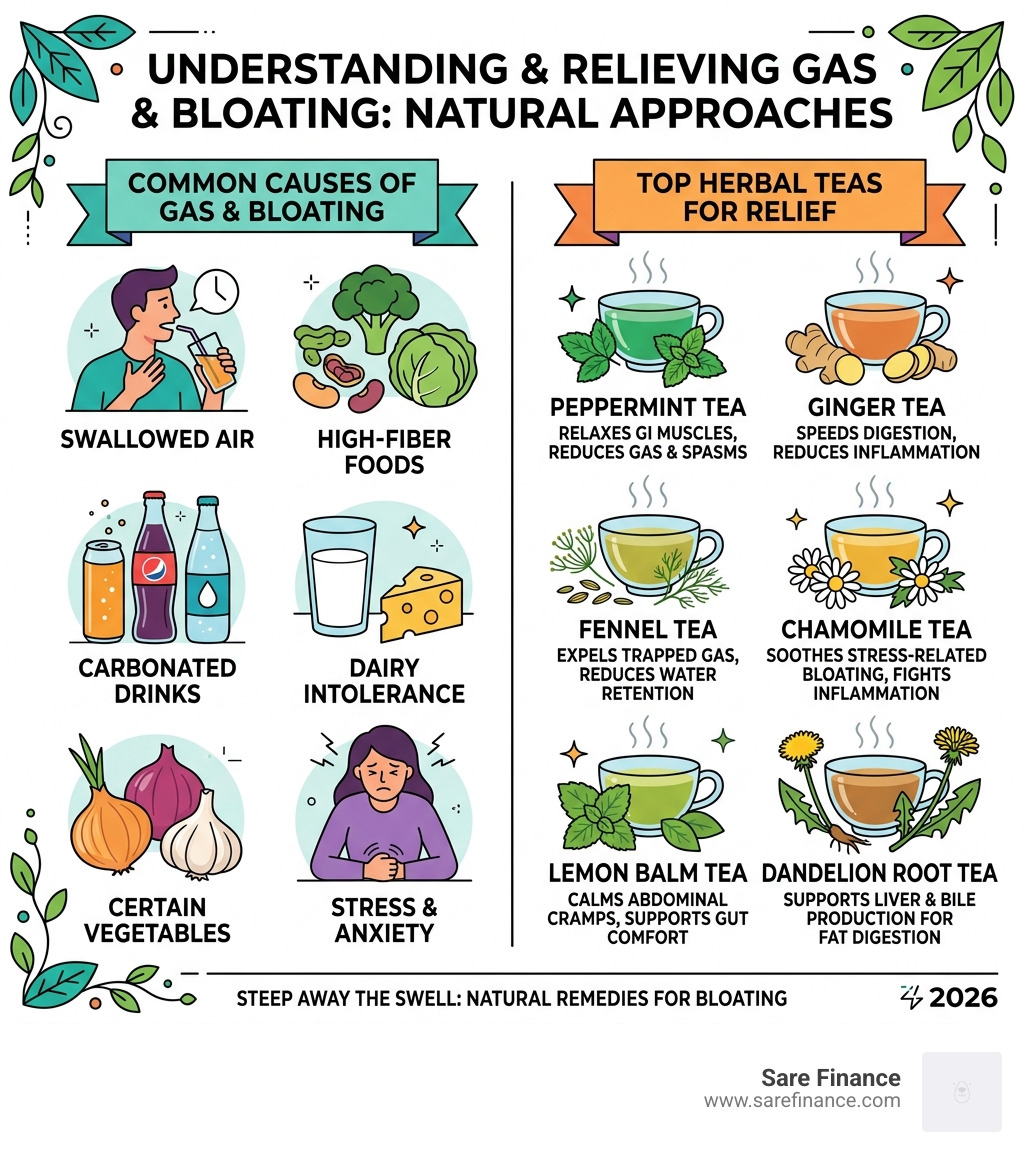
Tea for gas bloating is one of the simplest, most time-tested natural remedies you can try at home. Here are the top options at a glance:
| Tea | Primary Benefit |
|---|---|
| Peppermint | Relaxes GI muscles, reduces gas and spasms |
| Ginger | Speeds digestion, reduces inflammation |
| Fennel | Expels trapped gas, reduces water retention |
| Chamomile | Soothes stress-related bloating, fights inflammation |
| Lemon Balm | Calms abdominal cramps, supports gut comfort |
| Dandelion Root | Supports liver and bile production for fat digestion |
That uncomfortable, swollen feeling in your belly? You’re far from alone.
Around 14% of Americans deal with bloating regularly. And between 10% and 20% of adults report chronic digestive complaints like belching or excess gas.
Most people reach for antacids or other over-the-counter fixes. But a growing number are looking for something more natural — something they can sip slowly and actually enjoy.
That’s where herbal tea comes in.
Certain herbs have been used for thousands of years to ease digestive discomfort. And while modern research is still catching up, early science backs what traditional healers have long known: the right cup of tea can genuinely help your gut settle down.
Below, we’ll walk through exactly which teas work best, how to brew them, and what to watch out for.
Understanding the Causes of Gas and Bloating
Before we dive into the teapot, we need to understand why our bellies feel like they’ve been pumped full of air. As of April 2026, we are seeing more people than ever struggling with digestive “swell,” partly due to high-stress lifestyles and processed diets.

Bloating and gas usually stem from a few primary sources:
- Aerophagia (Swallowed Air): We all swallow a little air when we eat or drink. However, habits like talking while chewing, drinking through straws, or gulping down carbonated beverages can lead to an excess of air trapped in the esophagus or stomach.
- Bacterial Fermentation: Our colons are home to trillions of bacteria. When we eat undigested carbohydrates—like the fibers in beans (raffinose) or the sugars in dairy (lactose)—these bacteria go to work. The byproduct of this feast? Gas.
- Food Sensitivities: For many, bloating is a red flag for lactose intolerance or sensitivities to fructose and sorbitol (often found in “sugar-free” candies).
- Hormone Fluctuations: Many individuals find that bloating peaks during specific times of their menstrual cycle due to changes in estrogen levels, which can slow down gut motility.
How much gas is “normal”? Research shows that the average person emits flatus between 12 and 25 times per day. If you’re within that range, you’re actually quite healthy! But when that gas gets trapped, it stretches the intestines—which are lined with sensitive stretch receptors—leading to that sharp, cramping pain we all dread.
How Tea for Gas Bloating Works Its Magic
So, how does a simple cup of warm water and leaves fix a pressurized gut? It comes down to a special class of herbs called carminatives.
Carminatives are plants that help prevent the formation of gas or facilitate its expulsion. Many of the teas we recommend have an antispasmodic action. This means they help the smooth muscles of your gastrointestinal (GI) tract relax. When your gut muscles are relaxed, trapped air can move through more easily instead of getting stuck and causing pain.
Menthol, the active compound in peppermint, is a prime example. It acts as a natural calcium channel blocker in the gut, effectively telling those cramped muscles to “chill out.”
Beyond the herbs themselves, the simple act of drinking a warm liquid increases blood flow to the digestive organs. This warmth can stimulate the production of digestive enzymes, helping you break down food more efficiently. For more on the science, check out these 4 Ways To Relieve Gas Pain Fast, Including an Herbal Tea That Tames Bloat.
8 Best Herbal Teas for Digestive Relief
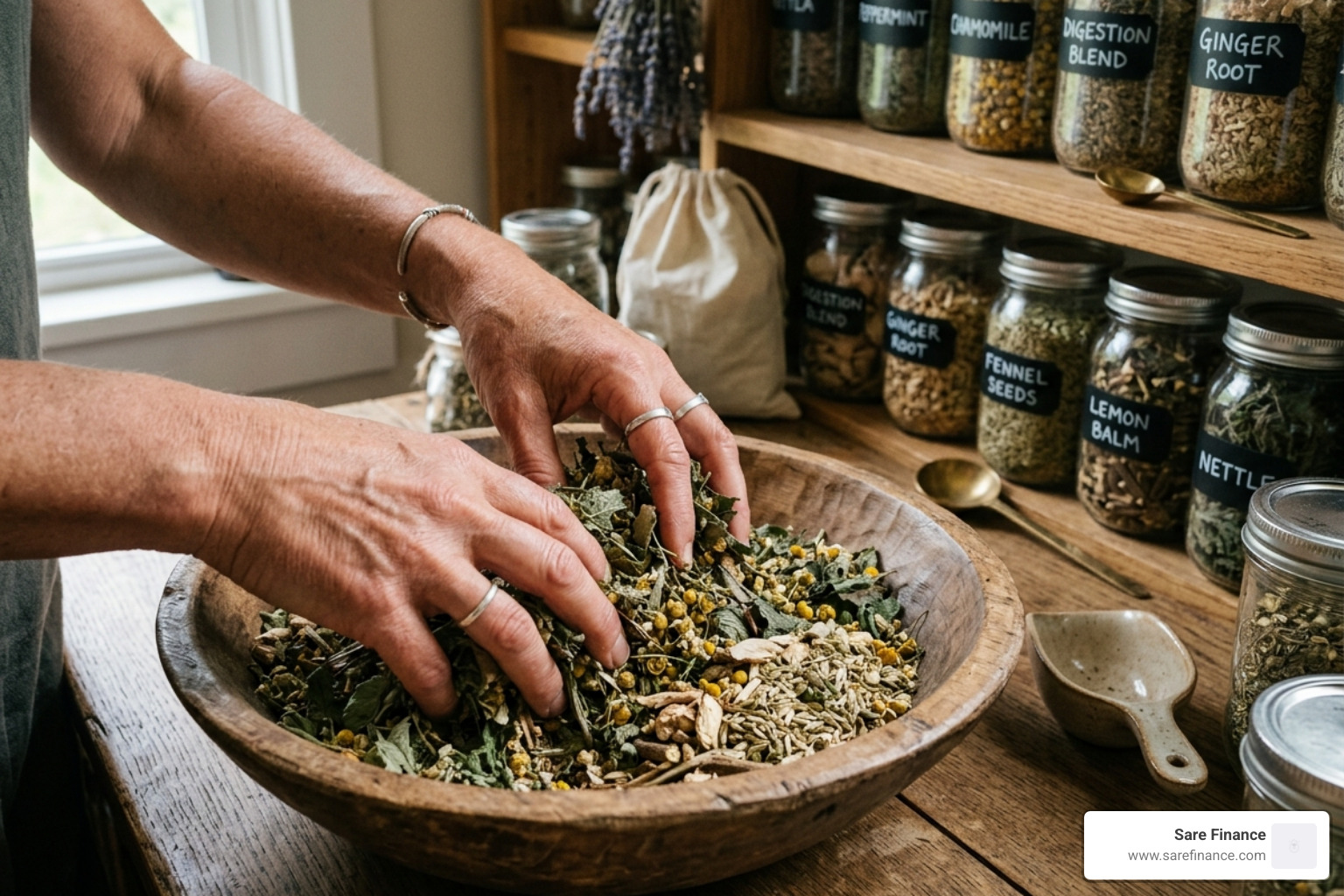
If you’re looking for the perfect tea for gas bloating, these eight options are our top picks for 2026.
1. Peppermint Tea for Gas Bloating
Peppermint is the undisputed heavyweight champion of digestive teas. Its high menthol content relaxes the digestive system, making it a go-to for those with Irritable Bowel Syndrome (IBS). It also possesses antimicrobial properties that may help balance gut bacteria. While tea bags are convenient, using fresh leaves provides a more potent dose of essential oils.
2. Ginger Tea
Ginger contains gingerol and shogaol, compounds that stimulate “migrating motor complexes”—basically the gut’s internal cleaning crew. This speeds up gut motility, ensuring food doesn’t sit and ferment in the stomach for too long. For the best results, we recommend grating an inch of fresh root and steeping it for at least 10 minutes.
3. Fennel Tea for Gas Bloating
Fennel seeds are a staple in Ayurvedic tradition for a reason. They contain anethole, which helps relax the GI tract and reduce gas production. Fennel also acts as a mild diuretic, helping to flush out excess salt and reduce “water bloat.” Try crushing the seeds slightly before steeping to release the oils.
4. Chamomile Tea
Chamomile is “comfort in a cup.” It’s particularly effective for bloating caused by stress or anxiety, as it calms the nervous system. Some studies even suggest it may protect against H. pylori infections, which are linked to stomach ulcers. Note: If you follow a low-FODMAP diet for IBS, be cautious, as chamomile can be high in certain fermentable sugars.
5. Lemon Balm
A member of the mint family, lemon balm (Melissa officinalis) is a gentle carminative. It’s often used in famous digestive tinctures because it reduces abdominal cramps and supports the “rest and digest” nervous system.
6. Dandelion Root
Don’t pull this weed just yet! Dandelion root tea contains sesquiterpene lactones, which stimulate the liver to produce bile. This is essential for breaking down fats, making it the perfect tea after a heavy, greasy meal.
7. Wormwood and Gentian Root
These are known as “digestive bitters.” They have a very strong, earthy taste that triggers the production of gastric juices. While they are excellent for optimizing long-term digestion, they should be avoided if you have active stomach ulcers, as they increase acidity.
8. Angelica Root
Angelica is a powerful digestive stimulant often found in traditional European formulas. It helps relieve abdominal pain and “moves” the digestion along. However, it is quite potent and should be used with guidance, especially regarding pregnancy.
Brewing Guide: Preparation and Frequency
To get the most out of your tea for gas bloating, you can’t just dunk a bag for thirty seconds. Extraction is key!
- Temperature: Most herbal teas require “true” boiling water (200-212°F) to break down the tough plant cell walls.
- Steeping Time: Aim for 10 to 15 minutes. Cover your mug while it steeps to prevent the beneficial volatile oils from escaping with the steam.
- The Squeeze: When you remove the tea bag, give it a firm squeeze! That last bit of liquid contains the highest concentration of active compounds.
- Timing: For chronic bloating, we suggest drinking a cup 30 minutes after a meal. If you wake up feeling “puffy,” a morning cup of ginger or dandelion tea can kickstart your system.
Safety First: Side Effects and Contraindications
While tea is generally safe, “natural” doesn’t mean “risk-free.”
- Pregnancy: Herbs like wormwood and angelica root can stimulate the uterus and should be avoided by pregnant or breastfeeding individuals.
- Ulcers: As mentioned, gentian and other bitters can worsen ulcer pain by increasing stomach acid.
- IBS: While peppermint is great for IBS, chamomile and fennel can sometimes trigger symptoms in those sensitive to FODMAPs.
- Medication Interactions: If you are taking blood thinners or blood pressure medication, consult your doctor before making dandelion or licorice root tea a daily habit.
- Activated Charcoal: If you use charcoal for gas, don’t drink it with your tea. Charcoal can bind to the herbal compounds, making your tea less effective.
When to Seek Medical Advice
We love tea, but it isn’t a substitute for medical care. If your bloating is persistent or accompanied by the following “red flags,” please see a healthcare professional:
- Unexplained weight loss
- Severe abdominal pain that prevents daily activity
- Chronic diarrhea or constipation
- Frequent vomiting or heartburn
- Blood in your stool
Persistent bloating can sometimes be a sign of underlying conditions like Celiac disease, SIBO (Small Intestinal Bacterial Overgrowth), or even certain types of cancer. Always listen to your body!
Frequently Asked Questions about Tea for Gas Bloating
Is loose-leaf tea better than tea bags for bloating?
Generally, yes. Loose-leaf tea often contains whole or large pieces of herbs, which retain more essential oils and medicinal potency than the “dust and fannings” often found in standard tea bags.
Should I drink tea hot or cold for gas relief?
Hot or warm tea is significantly better for gas relief. The heat helps relax the muscles of the gut and increases blood flow to the digestive tract, providing a soothing “thermal effect” that cold drinks lack.
Can green tea help with bloating?
Green tea contains catechins that support overall metabolic health, but the caffeine can sometimes irritate a sensitive stomach. If caffeine isn’t an issue for you, it can be a helpful digestive stimulant, but herbal (caffeine-free) options are usually more effective for acute gas pain.
Conclusion
At Sare Finance, we believe that health doesn’t always have to come from a pill bottle. Sometimes, the most profound relief can be found in a simple, mindful ritual. By choosing the right tea for gas bloating, you aren’t just treating a symptom; you’re supporting your body’s natural rhythm.
Whether it’s the spicy kick of ginger or the cooling calm of peppermint, there is a blend out there for everyone. So, the next time you feel the “swell” coming on, reach for your kettle instead of the medicine cabinet. Your gut will thank you.
For more guides on using tea to transform your health, visit us at Sare Finance.
