
The Ultimate Guide to Buying the Best Herbal Sleep Teas
Why Ashwagandha Sleep Tea Benefits Are Worth Knowing About
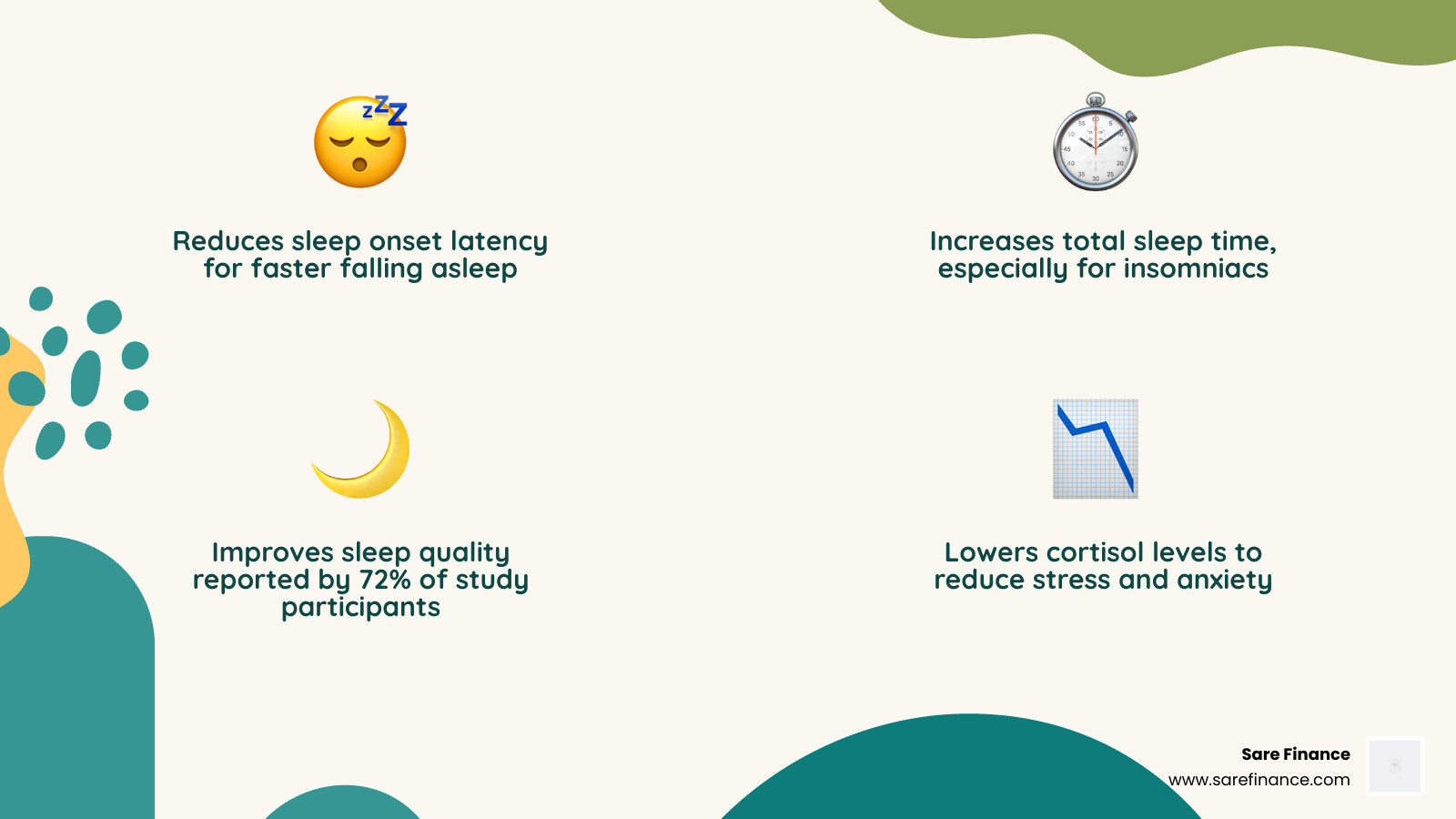
Ashwagandha sleep tea benefits include faster sleep onset, better sleep quality, lower stress hormones, and a calmer mind — all from a simple nightly cup.
Here’s a quick summary:
| Benefit | What the Research Shows |
|---|---|
| Falls asleep faster | Reduced sleep onset latency in multiple clinical studies |
| Sleeps longer | Improved total sleep time, especially in people with insomnia |
| Better sleep quality | 72% of participants in one study reported improved sleep quality |
| Less stress and anxiety | Lower cortisol levels after consistent use |
| Calmer nervous system | Ashwagandha interacts with GABA receptors in the brain |
| Mental alertness on waking | Participants reported feeling more refreshed in the morning |
Over 30% of adults regularly sleep less than the recommended seven hours a night. Many turn to synthetic sleep aids — but those often come with side effects, dependency risks, or that groggy morning feeling.
Ashwagandha offers a different path.
Known scientifically as Withania somnifera — where somnifera literally means “sleep-inducing” in Latin — this herb has been used in Ayurvedic medicine for thousands of years. Today, clinical research is backing up what traditional healers long understood: this root can meaningfully support rest, especially when poor sleep is driven by stress.
Drinking it as a tea adds another layer. The warm ritual of brewing and sipping before bed is itself a cue to your nervous system that it’s time to wind down.
This guide covers the best herbal sleep teas featuring ashwagandha — what to look for, how to use them, and what the science actually says.
Understanding Ashwagandha: The Ancient Root for Modern Rest
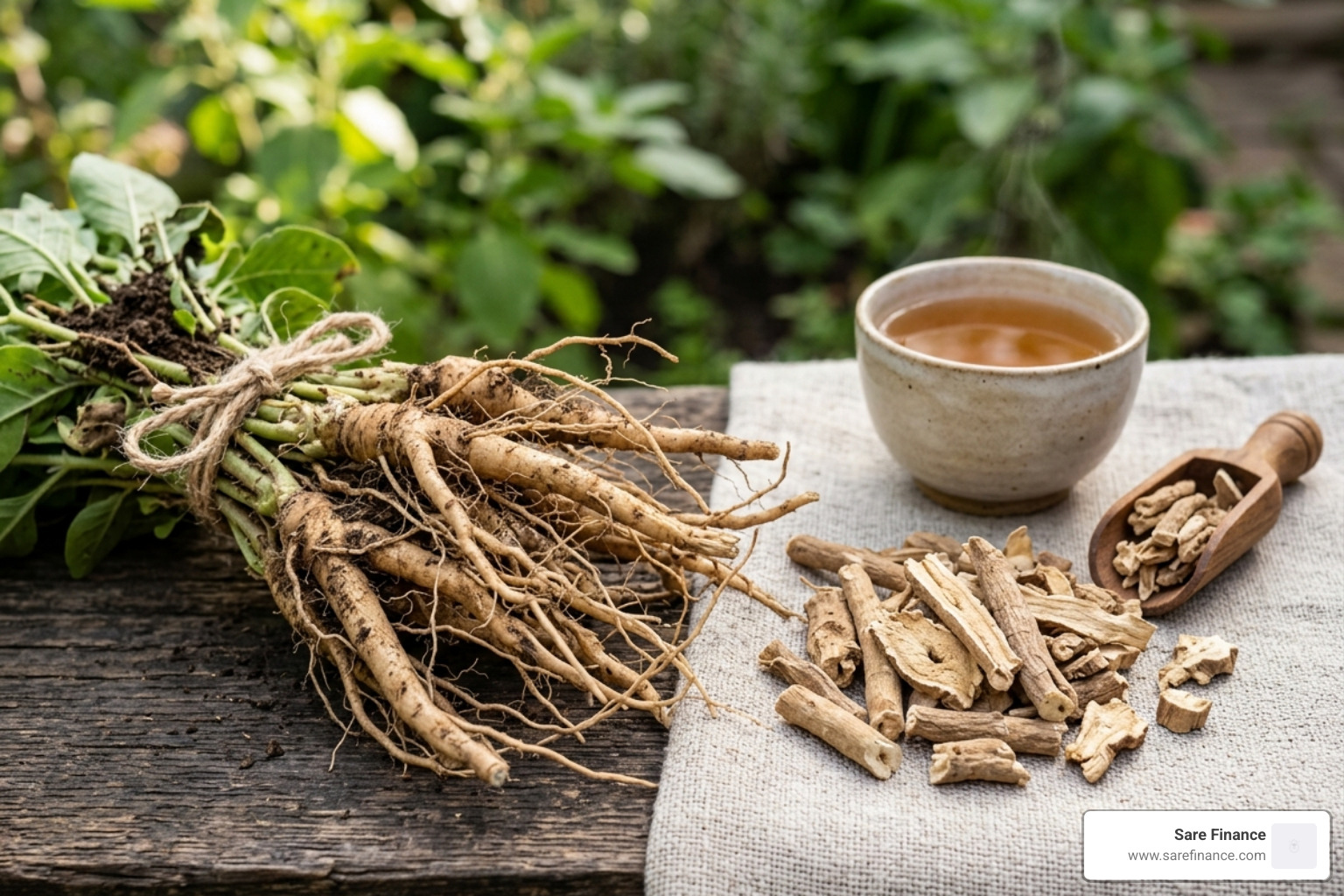
To understand why we are so passionate about ashwagandha at Sare Finance, we have to look at its roots—literally. Known as “Indian Ginseng” or “Winter Cherry,” ashwagandha is a stout shrub that thrives in the dry regions of India, Africa, and the Middle East. While the leaves have their uses, the real magic for sleep resides in the root.
In herbalism, ashwagandha is classified as an adaptogen. If you aren’t familiar with that term, think of an adaptogen as a personal trainer for your stress response system. It doesn’t just “knock you out” like a sedative; instead, it helps your body resist, adapt, and become more resilient to stressors.
Specifically, ashwagandha works by modulating the hypothalamic-pituitary-adrenal (HPA) axis. This is the control center for your body’s stress response. When you’re stressed, your HPA axis pumps out cortisol. By regulating this axis, ashwagandha helps keep cortisol levels in check, preventing that “tired but wired” feeling that keeps so many of us awake at 2:00 AM.
Research has shown that the herb enhances GABAergic and serotonergic pathways. GABA is the primary inhibitory neurotransmitter in your brain—it’s essentially the “brake pedal” for your nervous system. By supporting these pathways, ashwagandha helps quiet the mental chatter. For a deeper dive into these biological mechanisms, you can explore this Unlocking Better Sleep and Stress Relief: The Power of Ashwagandha (Withania somnifera) Supplementation – A Literature Review | Quality in Sport.
Science-Backed Ashwagandha Sleep Tea Benefits
We know that “ancient wisdom” sounds lovely, but what does the modern data say in 2026? Fortunately, the scientific community has been busy. Multiple randomized, double-blind, placebo-controlled trials have put this root to the test.
One of the most impressive ashwagandha sleep tea benefits is the improvement in sleep latency—that’s the scientific way of saying “how long it takes to fall asleep.” A 2019 study involving 60 participants found that those taking ashwagandha notably reduced their time to fall asleep and improved their overall sleep efficiency.
But it isn’t just about falling asleep; it’s about the quality of the rest you get. In a 2020 study of 150 healthy individuals, the group using a standardized ashwagandha extract reported a staggering 72% improvement in sleep quality after six weeks. Compare that to only 29% in the placebo group, and you can see why this herb is making waves in the wellness industry.
Researchers believe a specific compound in the plant called triethylene glycol is responsible for inducing sleep. Additionally, the root is rich in withanolides, bioactive compounds that ease stress and help the body maintain homeostasis. You can find more details on these findings at the Ashwagandha for Sleep resource.

Comparing Ashwagandha and Melatonin Mechanisms
It is common to compare ashwagandha to melatonin, but they work quite differently. Melatonin is a hormone that tells your body it is nighttime. Ashwagandha is an herb that helps your body handle the stress that prevents you from feeling that natural “nighttime” signal.
| Feature | Ashwagandha | Melatonin |
|---|---|---|
| Type | Adaptogenic Herb | Hormone |
| Primary Action | Reduces stress/cortisol; modulates GABA | Regulates sleep-wake cycle (circadian rhythm) |
| Onset of Benefit | Gradual (weeks of consistent use) | Immediate (30-60 minutes) |
| Best For | Stress-induced insomnia; long-term resilience | Jet lag; shift work; immediate sleep onset |
| Next-Day Feel | Usually alert and refreshed | Can cause morning grogginess |
Indirect Ashwagandha Sleep Tea Benefits for Stress and Anxiety
Sometimes the reason we can’t sleep isn’t a “sleep problem”—it’s an “anxiety problem.” This is where the indirect ashwagandha sleep tea benefits shine. By lowering saliva cortisol levels (one study showed significant reductions in participants taking just 225 mg/day), ashwagandha helps shut down the “fight or flight” response.
When your nervous system is in a state of relaxation, your brain can finally transition into the deeper stages of sleep. We’ve also seen that ashwagandha can help reduce stress-related food cravings. If you’re someone who reaches for sugary snacks when you’re tired and stressed, a nightly cup of ashwagandha tea might help break that cycle, leading to better metabolic health and even better sleep.
How to Choose and Brew the Best Herbal Sleep Teas
When you’re shopping for the best herbal sleep teas, quality is everything. You aren’t just buying a flavor; you’re buying a therapeutic effect. Here is what we recommend looking for:
- Root Pieces vs. Powder: For the best tea experience, look for teas that use dried ashwagandha root pieces. While powder is common in capsules, root pieces often provide a cleaner, less gritty cup of tea.
- Standardized Extracts: If you’re buying a blend that uses an extract, look for a “standardized” label. This ensures a consistent level of withanolides (ideally 5% or higher).
- Organic Sourcing: Since you are steeping these roots in hot water, you want to ensure they are free from pesticides and heavy metals.
- Third-Party Testing: Look for seals from organizations like USP or ConsumerLab to ensure the product actually contains what the label claims.
The Art of the Brew
Brewing ashwagandha is a bit different than brewing a delicate green tea. Because it’s a hardy root, it needs a little more “tough love” to release its beneficial compounds.
- Water Temperature: Use boiling water (212°F).
- Steeping Duration: Let it steep for at least 10 to 15 minutes. If you are using raw root pieces, some people prefer to simmer them in a pot (a decoction) for 10 minutes to get the full strength.
- Flavor Profile: Let’s be honest—ashwagandha’s name translates to “smell of a horse.” On its own, the tea is earthy, slightly bitter, and pungent. Don’t worry, though! Most people blend it with other herbs or add a touch of honey and cinnamon to make it delicious.
Maximizing Ashwagandha Sleep Tea Benefits Through Blending
We rarely recommend drinking ashwagandha entirely on its own. Not only for the taste but because herbalism is all about synergy. When you combine ashwagandha with other calming herbs, you create a “sleep team” that hits different receptors in the brain.
- Chamomile: This is the classic partner. Chamomile contains apigenin, an antioxidant that binds to certain receptors in your brain that may promote sleepiness and reduce insomnia.
- Valerian Root: Known as “nature’s Valium,” it provides a more direct sedative effect that complements ashwagandha’s stress-reducing properties.
- Passionflower: Great for quieting a racing mind.
- Lavender: The aroma alone can lower heart rate and blood pressure.
The Sare Finance “Moon Milk” Recipe: Mix 1 cup of oat milk, 1/2 teaspoon of ashwagandha powder (or a strong-steeped tea base), a pinch of cinnamon, and a teaspoon of honey. Warm it gently on the stove. This creates a creamy, comforting bedtime ritual that signals to your body that the day is done.
Safety, Dosage, and What to Expect
If you’re looking for an overnight miracle, ashwagandha might surprise you—it’s a “slow and steady” herb. While some people feel a sense of calm on the first night, most clinical trials show that the most significant ashwagandha sleep tea benefits appear after 6 to 10 weeks of consistent use.
Recommended Dosage
Research suggests that for sleep improvement, a dose of 600 mg per day of root extract is the sweet spot. If you are using raw root powder in your tea, 1 to 2 grams per day is a standard range.
According to experts like Dr. Weil, using a standardized extract ensures you’re getting the right concentration of withanolides to actually see results. You can read more about his perspective here: Ashwagandha For Better Sleep?.
What to Expect
- Short-Term (Days 1-7): You may feel a slight reduction in daily anxiety and a more pleasant “winding down” period before bed.
- Mid-Term (Weeks 2-4): Many users report falling asleep faster and waking up fewer times during the night.
- Long-Term (Weeks 8+): This is where the magic happens. Improved sleep efficiency, better morning alertness, and a significant drop in overall stress levels.
Most people can safely take ashwagandha for up to three months. However, the long-term safety beyond that isn’t as well-documented, so we often suggest taking a “herb holiday” for a week or two after a 90-day cycle.
Who Should Avoid Ashwagandha Sleep Tea Benefits or Consult a Doctor
While ashwagandha is generally well-tolerated, it is a powerful plant that interacts with the body’s systems. It isn’t for everyone.
- Pregnancy and Breastfeeding: Ashwagandha is strictly avoided during pregnancy as it may have abortifacient properties (meaning it could cause a miscarriage).
- Thyroid Disorders: Ashwagandha can increase thyroid hormone levels. If you have hyperthyroidism or are taking thyroid medication, consult your doctor first.
- Autoimmune Conditions: Because it can stimulate the immune system, people with conditions like lupus, rheumatoid arthritis, or multiple sclerosis should be cautious.
- Hormone-Sensitive Prostate Cancer: Ashwagandha may increase testosterone levels, which can be problematic for those with hormone-sensitive cancers.
- Medication Interactions: It can enhance the effects of sedatives, anti-anxiety meds, and blood sugar medications. If you are on any of these, a conversation with your healthcare provider is essential.
Frequently Asked Questions about Ashwagandha Sleep Tea
When is the best time to drink ashwagandha tea for sleep?
We recommend drinking your tea about 60 to 90 minutes before bed. This gives the compounds time to begin interacting with your nervous system. Interestingly, because it is an adaptogen, some people find that drinking it in the morning helps them stay calm throughout the day without making them drowsy. If you find it gives you a slight energy boost (which happens to a small percentage of people), try moving your “tea time” to earlier in the afternoon.
Can I drink ashwagandha tea every day?
Yes, daily use is actually encouraged for the first 8 to 12 weeks to allow the adaptogenic effects to build up in your system. Just remember to monitor how you feel and consider a break after three months.
How long does it take to see results from ashwagandha sleep tea?
While you might feel more relaxed on night one, don’t give up if you don’t see massive changes immediately. Most clinical studies show the most prominent benefits after 8 weeks of consistent use. Patience is a virtue in herbalism!
Conclusion
At Sare Finance, we believe that the path to wellness is found in the small, mindful rituals we practice every day. Choosing the right herbal sleep tea is more than just a purchase; it’s an investment in your long-term health and your body’s ability to recover.
The ashwagandha sleep tea benefits we’ve discussed—from lower cortisol to improved sleep efficiency—offer a natural, science-backed way to reclaim your nights. By merging the ancient wisdom of Ayurveda with modern brewing techniques and a deep respect for tea culture, we can help you turn a restless night into a restorative one.
Are you ready to transform your bedtime routine? Explore our resources to learn more about the art of sipping for health.
