
Valerian Root Tea: Don’t Let the Bedbugs or Insomnia Bite
What Is Valerian Root Tea — and Why Are So Many People Drinking It?
Valerian root tea is an herbal drink made from the dried roots of the Valeriana officinalis plant, and it has been used as a natural sleep aid and anxiety remedy for over 2,000 years.
Here’s a quick overview of what it does and why people drink it:
| Benefit | What to Know |
|---|---|
| Sleep support | May help you fall asleep faster; drink 30 min–2 hrs before bed |
| Anxiety relief | Thought to calm the nervous system naturally |
| Stress reduction | Often used as a gentle, non-pharmaceutical wind-down ritual |
| PMS & menopause | Some people use it to ease cramps and hormonal discomfort |
| Safe for short-term use | Considered safe for most adults for up to ~28 days |
If you’ve been lying awake at night, reaching for another sleep supplement, or just looking for a natural way to decompress — you’re not alone. Millions of people are turning away from synthetic sleep aids and toward time-tested herbal remedies like valerian root tea.
It’s one of the oldest herbal remedies on record. Ancient Greek physicians were prescribing it for sleeplessness before the year 100 AD. Fast forward to April 2026, and it’s still one of the most popular herbal teas on the market.
There’s just one catch — it smells a bit like dirty socks. But don’t let that put you off. Read on, and we’ll show you exactly how to brew it, when to drink it, and how to make it taste far better than it smells.
The History and Science of the “Nature’s Valium”
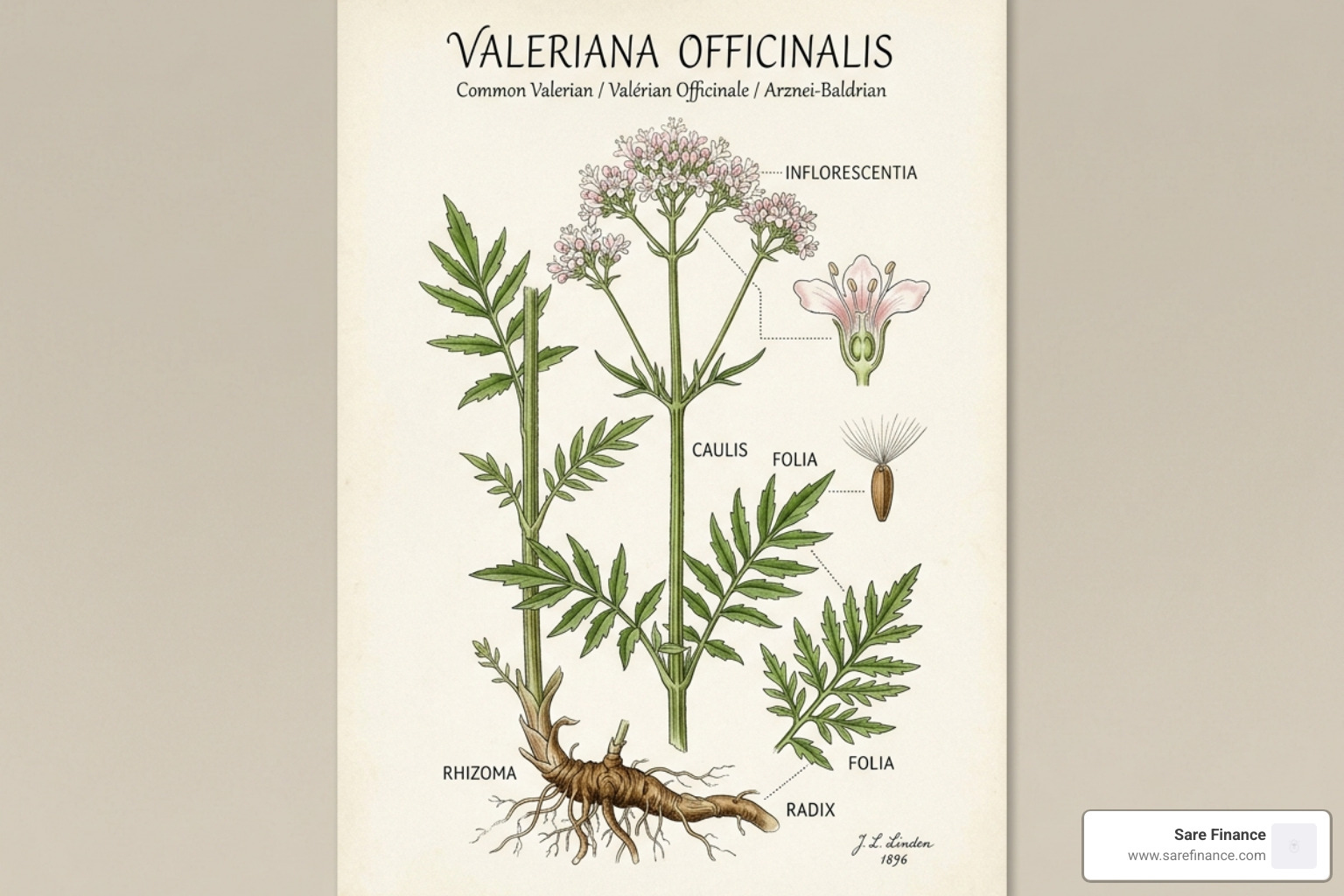
The nickname “Nature’s Valium” isn’t just clever marketing; it reflects the profound impact this root has had on human wellness for millennia. Valerian root tea is derived from Valeriana officinalis, a perennial flowering plant native to Europe and Asia. While the plant produces delicate pink or white flowers, the real magic happens underground in the thick, pungent rhizomes (underground stems) and roots.
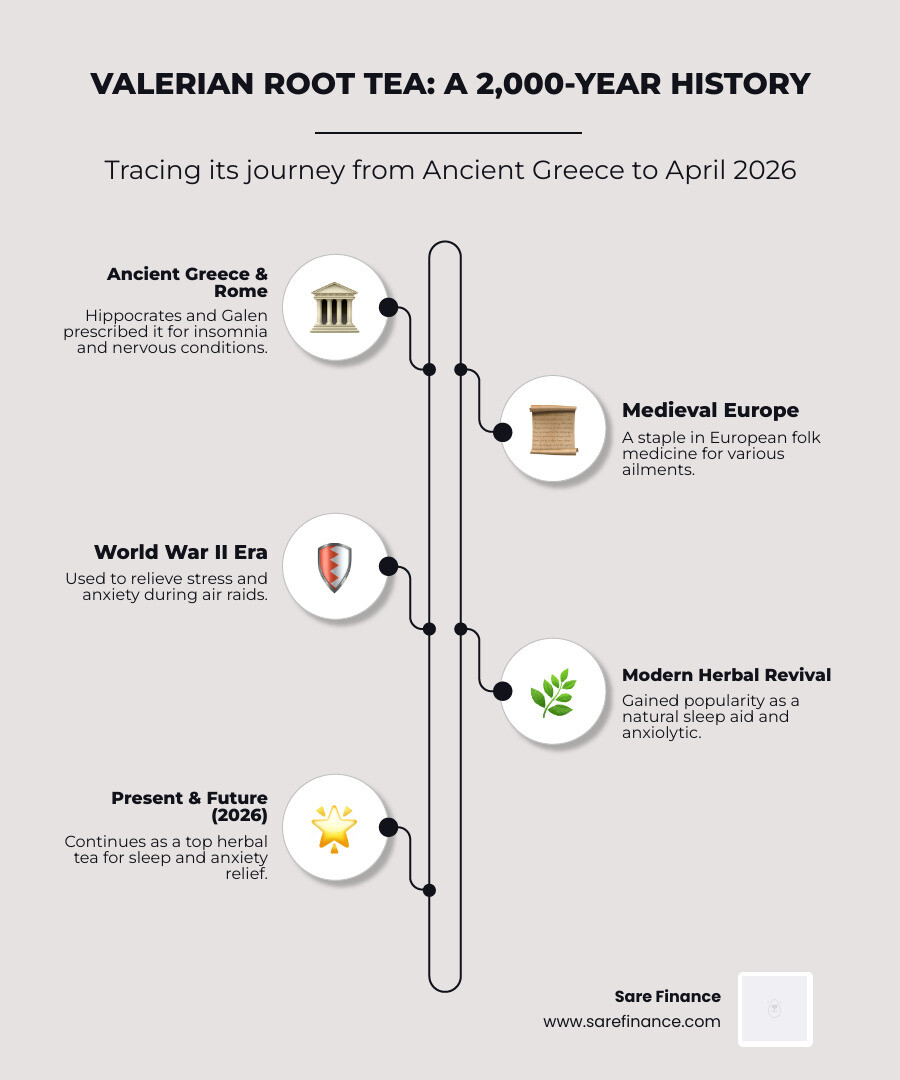
Historically, the use of valerian dates back to Ancient Greece and Rome. Hippocrates, the father of modern medicine, described its properties, and later, the physician Galen prescribed it specifically for insomnia. It has remained a staple in European folk medicine throughout the Middle Ages and was even used during World War II to relieve the stress of air raids.
But how does it actually work? Modern science suggests that valerian interacts with the nervous system by influencing gamma-aminobutyric acid (GABA), a chemical messenger that helps regulate nerve impulses in your brain and nervous system.
Understanding the GABA Connection
To understand why valerian root tea makes us feel so relaxed, we have to look at our brain’s “braking system.” GABA is an inhibitory neurotransmitter. When GABA levels are high, it reduces the activity of neurons, leading to a calming effect.
Researchers believe that the valerenic acid and various antioxidants found in valerian root help inhibit the breakdown of GABA in the brain. This results in higher levels of the neurotransmitter available to bind to brain receptors, effectively signaling the body to transition from a state of “fight or flight” to “rest and digest.” This sedative property is what makes the tea such a potent ally against a racing mind at 2:00 AM.
Primary Benefits: Why Sip Valerian?
We often hear from our community at Sare Finance that they are looking for a “reset button” for their sleep hygiene. Valerian root tea offers several evidence-based benefits that go beyond just feeling sleepy.
- Improving Sleep Latency: This is the scientific term for how long it takes you to fall asleep. Studies suggest that consistent use of valerian can help you drift off faster without the “hangover” effect often associated with pharmaceutical pills.
- Anxiety and Stress Management: By soothing the nervous system, a warm cup of valerian can take the edge off a high-stress day.
- Muscle Relaxation: Some animal studies and traditional uses suggest it acts as a mild muscle relaxant, which can be helpful for those who carry physical tension in their shoulders or jaw.
- Headache Relief: Historically, it has been used to treat tension headaches caused by stress.
To see how it stacks up against the world’s most famous “sleepy” tea, check out this comparison:
| Feature | Valerian Root Tea | Chamomile Tea |
|---|---|---|
| Primary Compound | Valerenic Acid | Apigenin |
| Mechanism | Increases GABA availability | Binds to GABA receptors |
| Sedative Strength | Moderate to Strong | Mild |
| Flavor Profile | Earthy, Woody, Pungent | Floral, Apple-like, Sweet |
| Best For | Chronic insomnia & deep anxiety | General relaxation & upset stomach |
For those interested in the technical side of preparation, you can find more scientific research on valerian tea preparation to ensure you are getting the most out of every cup.
Easing Menstrual and Menopause Symptoms
Beyond sleep, valerian root tea is a quiet hero for women’s health. During menstruation, the root’s antispasmodic properties may help provide uterine relaxation, potentially reducing the severity of dysmenorrhea (painful cramps).
For those navigating menopause, valerian has shown promise in reducing the frequency and severity of hot flashes. By helping to balance the body’s response to hormonal shifts and promoting better sleep quality, it addresses two of the most disruptive symptoms of this transition.
Mastering the Brew: How to Prepare Valerian Root Tea
Brewing valerian root tea is a bit different from your standard green or black tea. Because we are dealing with a tough, woody root rather than a delicate leaf, we need a bit more “oomph” in our preparation.
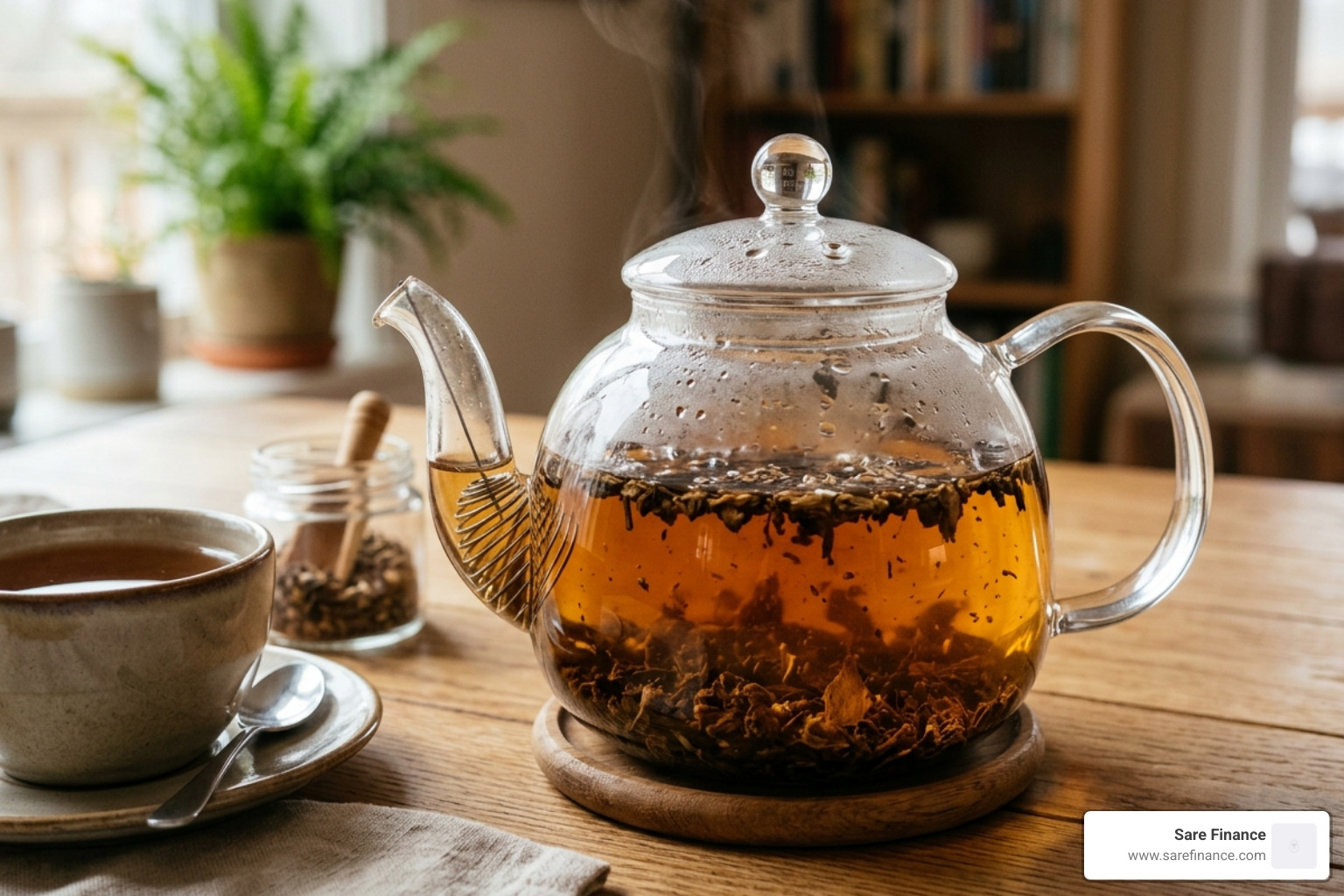
To achieve an effective dose, you should aim for 2 to 3 grams of dried root per 8-ounce cup. The water temperature is crucial; you want it to be “off-boil.” This means you bring the water to a full boil (212°F), then let it sit for a few seconds until the rolling bubbles stop. Pouring boiling water directly onto the root can sometimes degrade the delicate active components.
The most important step? Steep for 10 to 15 minutes and keep it covered. Covering your mug or teapot traps the volatile oils and aromatic compounds that would otherwise escape with the steam. These oils are where much of the medicinal power lives!
Choosing Your Valerian Root Tea: Pure vs. Blends
When you shop for valerian root tea, you’ll likely see two options: pure dried root or “Nighty Night” style blends.
- Pure Valerian Root: This gives you total control over the dosage. It is the most potent option but also the most… aromatic (more on the “socks” smell later).
- Herbal Blends: Many brands mix valerian with passionflower, lemon balm, or peppermint. These herbs work synergistically to enhance relaxation while masking the strong flavor of the valerian.
A Note on Allergies: Many sleep blends use chamomile as a base. If you have an allergy to the Asteraceae (daisy) family, look for “Extra Strength” valerian blends that are specifically chamomile-free. These often use lemon balm or passionflower instead to avoid triggering your allergies.
Step-by-Step Guide to Steeping Valerian Root Tea
If you’re ready to brew your first cup, follow this simple routine:
- Measure: Use 1–2 teaspoons (approx. 2-3g) of cut and sifted dried valerian root.
- Heat: Bring 8 oz of filtered water to a boil, then wait 30 seconds.
- Combine: Place the root in a tea infuser or a reusable cloth tea bag.
- Steep: Pour the water over the root, cover the mug with a saucer, and set a timer for 15 minutes.
- Squeeze: When finished, give the tea bag or infuser a good squeeze to ensure all the “goodness” is in your cup.
- Freshness: Always brew a fresh cup. The potency of valerian decreases if the tea sits out for several hours.
Essential Brewing Tools:
- A fine-mesh tea infuser (the roots are small!).
- A mug with a matching lid or a small saucer.
- A kitchen scale (if you want to be precise with your 2-3 gram dose).
Managing the “Dirty Sock” Aroma: Taste and Storage
Let’s address the elephant in the room: the smell. Pure valerian root tea contains isovaleric acid, the same compound responsible for the scent of aged cheese and sweaty feet. On its own, the tea has a very earthy, woody, and slightly bitter profile.
But don’t let the dry root’s scent scare you away! The brewed tea is much milder than the dry bag. Here at Sare Finance, we love experimenting with “flavor boosters” to make your sleep ritual more enjoyable.
To improve the taste, try these additions:
- Honey or Maple Syrup: The sweetness cuts through the bitterness.
- Lemon Slice: The acidity brightens the “muddy” notes of the root.
- Peppermint or Spearmint: These are the best for masking the smell entirely.
- Oat Milk: A splash of creamy milk can mellow the woody flavor and make the drink feel like a comforting latte.
Proper Storage for Maximum Potency
Because valerian depends on its volatile oils for effectiveness, how you store it matters. Exposure to light, heat, and air will turn your potent root into flavorless wood chips very quickly.
- Airtight Containers: Use a glass jar with a tight seal or a tin.
- Cool, Dry Place: A dark pantry is perfect. Avoid the cabinet above the stove, as the heat will degrade the root.
- The “Aroma Test”: If you open your jar and don’t smell that characteristic “funky” scent, the root has likely lost its potency and should be replaced.
- Freezer Precautions: While some people freeze herbs, we don’t recommend it for valerian root. The moisture from temperature fluctuations can lead to mold or a loss of freshness.
Safety First: Dosage, Side Effects, and Precautions
While valerian root tea is a natural gift, it is still a powerful herb. The National Center for Complementary and Integrative Health (NCCIH) suggests that valerian is safe for most adults for short-term use of approximately 28 days. We usually recommend using it for 2–3 weeks to get your sleep schedule back on track, then taking a one-week break.
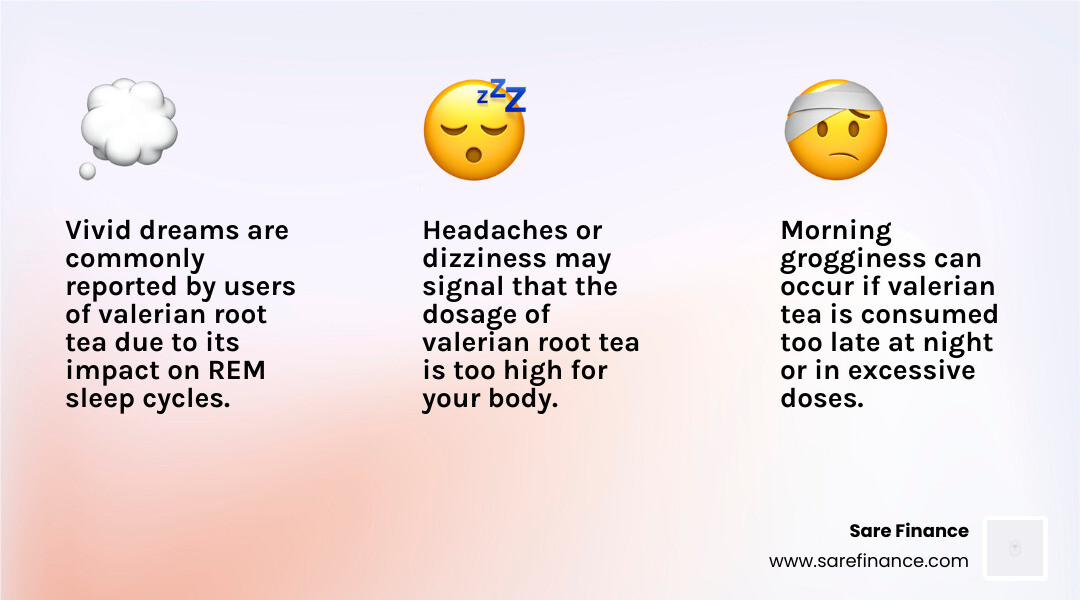
Common Side Effects include:
- Vivid Dreams: Many users report very intense, colorful dreams.
- Morning Grogginess: If you drink it too late or use too much, you might feel a bit “fuzzy” the next morning.
- Headaches or Dizziness: Usually a sign the dose is too high for your body.
- Stomach Upset: Rare, but possible if consumed on an empty stomach.
Contraindications and Drug Interactions
Because valerian is a sedative, you must be careful about what you mix it with.
- Avoid Alcohol: Combining valerian with a nightcap can over-sedate you and lead to dangerous respiratory depression.
- Sedatives and Barbiturates: If you are already taking prescription sleep aids or anti-anxiety medications (like Xanax or Valium), do not drink valerian tea without consulting your doctor.
- Surgery Prep: You should stop taking valerian at least two weeks before any scheduled surgery, as it can interfere with anesthesia.
- Specific Populations: It is not recommended for pregnant or breastfeeding women, or children under the age of 3, simply because there isn’t enough long-term safety data yet.
Frequently Asked Questions about Valerian
How long before bed should I drink valerian tea?
For the best results, aim to drink your cup 30 minutes to 2 hours before bedtime. This gives your metabolism time to process the valerenic acid. Everyone’s individual response is different; some people feel the “heavy eyelids” effect in 20 minutes, while others need a full hour.
Does valerian tea cause a “high” or addiction?
No, valerian root tea does not cause euphoria or a “high.” It is non-addictive and does not carry the same risk of dependency as many pharmaceutical sleep aids. However, your body can build a slight tolerance over time, which is why we suggest taking breaks from use.
Why does my tea smell like old cheese?
That is the isovaleric acid! While it’s unpleasant to the nose, it’s actually a great freshness indicator. If your valerian doesn’t have a bit of a funk, it’s probably old and won’t help you sleep. Think of it as a sign of potency!
Conclusion
At Sare Finance, we believe that the journey to better health starts with a single sip. Valerian root tea isn’t just a drink; it’s a 2,000-year-old sleep ritual that connects us to the wisdom of ancient healers. While it might not be the most fragrant herb in the garden, its ability to quiet a racing mind and usher in a restful night is unmatched in natural remedies.
By mastering the 15-minute steep, respecting the dosage, and adding a little honey to mask the “socks,” you can reclaim your evenings and finally tell insomnia to take a hike.
Ready to explore more ways to transform your health through the power of tea? Visit us for more info about natural tea solutions and join our community of tea lovers dedicated to holistic wellness. Sweet dreams!
